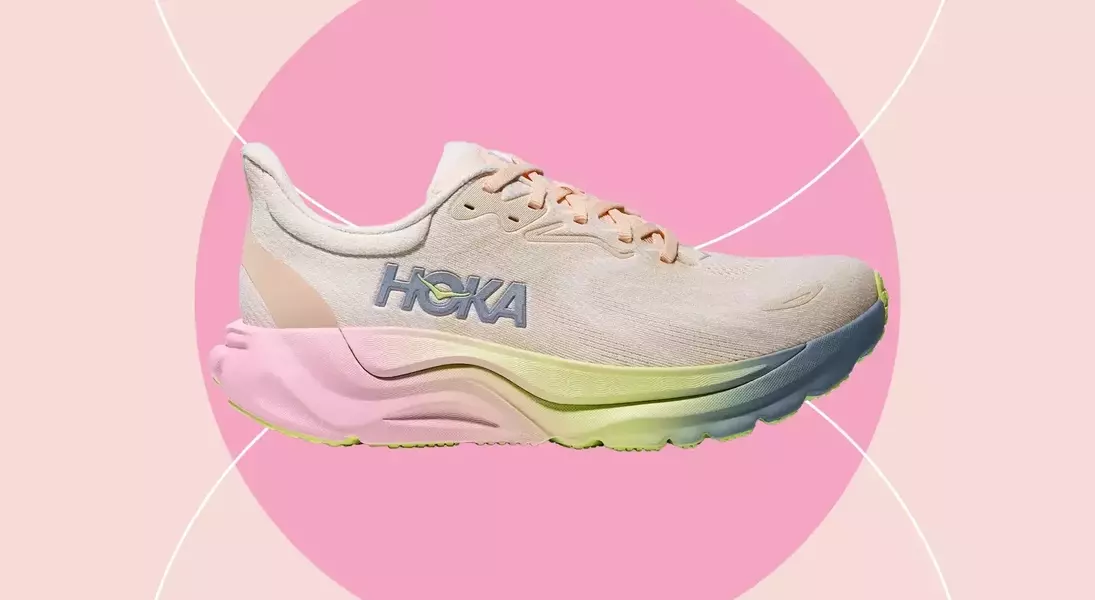
This article reviews the latest iteration of Hoka's popular stability running shoe, the Arahi 8. It highlights the key improvements and features of the new model, comparing it to its predecessor, the Arahi 7. The review emphasizes the shoe's enhanced stability, cushioning, and design updates, noting its approval by the American Podiatric Medical Association for promoting foot health. It also mentions the wide range of colors and sizes available for both men and women.
Hoka Unveils Arahi 8: Advanced Stability and Cushioning for Runners and Walkers
In a significant development for the athletic footwear market, Hoka, a leading brand renowned for its comfortable and supportive shoes, recently introduced the Arahi 8. This new model is an evolution of their highly successful Arahi 7, a stability sneaker favored by many for its unique blend of support and comfort. The Arahi 8 promises an even more refined experience for individuals engaged in walking and running activities, particularly those prone to overpronation.
The journey to the Arahi 8 began with the Arahi 7, a shoe that, despite its initial perceived stiffness, quickly became a go-to for gym-goers and runners due to its exceptional stability. This characteristic earned it high marks in assessments of top running shoes, specifically for its ability to mitigate excessive foot movement and alleviate potential knee discomfort. Building upon this foundation, Hoka's engineering team embarked on a mission to enhance the Arahi line, culminating in the release of the Arahi 8 last year, which now boasts an exciting array of new color options.
A core innovation in the Arahi 8 is the replacement of the Arahi 7's J-frame with an advanced stabilizing H-frame. This update is designed to optimize foot control further while simultaneously achieving a lighter and softer sole. This addresses a previous concern regarding the Arahi 7's weight, which some users found substantial due to its rigid base. Additionally, the Arahi 8 incorporates extra cushioning at the heel, a strategic enhancement aimed at absorbing impact more effectively during various activities. This modification slightly increases the heel-to-toe drop, a factor that might influence its suitability for specific gym routines compared to the Arahi 7's flatter profile, which was ideal for seamless transitions between treadmill and weight training.
The blend of robust stability with added plush cushioning in the Arahi 8 marks a notable achievement for Hoka, as typically, heightened support can sometimes compromise cloud-like comfort. This duality makes the Arahi 8 a compelling option for those seeking the best of both worlds in their footwear. Furthermore, Hoka has upgraded the shoe's upper material, improving breathability—a welcome change for users who tend to experience warmth or increased perspiration during workouts. Echoing its predecessor's endorsement, the Arahi 8 has received the American Podiatric Medical Association (APMA) Seal of Acceptance, signifying its contribution to promoting overall foot health.
The Arahi 8 is available in extensive sizing and width options (regular, wide, and extra wide) for both men and women. Women's versions come in 15 vibrant colors, including energetic neon yuzu and classic black, while men's selections offer 16 colors, predominantly neutral tones with striking options like cobalt blue and neon flame. Given the Arahi series' established popularity, these new models are expected to be in high demand, making them an ideal choice for summer walking and running pursuits, offering a consistently stable and smooth experience.
The introduction of the Hoka Arahi 8 represents more than just a new shoe; it's a testament to continuous innovation in athletic footwear. The thoughtful integration of enhanced stability with plush cushioning provides a significant advantage for individuals striving for both performance and comfort. For anyone prioritizing foot health and seeking reliable support during physical activities, the Arahi 8 stands out as a top contender, promising an improved experience with every stride. Its design philosophy, balancing structure with softness, offers valuable insights into how athletic gear can evolve to meet diverse user needs.